Introduction
Childcare service providers have an essential obligation to make certain the health and wellness, safety, and health of youngsters in their treatment. This duty expands past mere guidance; it encompasses a comprehensive understanding of incident coverage protocols. By developing clear procedures, educators can resolve emergency situations successfully while making certain compliance with lawful and regulatory requirements. In this post, we will look into different elements of incident reporting methods, exploring necessary elements that promote a more secure environment for children.
Incident Coverage Protocols: Ensuring Safety And Security and Conformity in Childcare
What are event coverage protocols? In the context of child care, they refer to methodical procedures made for documenting any type of cases or crashes entailing kids. These procedures serve not just as a means of interaction among staff yet likewise as a tool for enhancement and conformity with safety policies. The importance of these protocols can not be overstated; they form the foundation of effective risk management within childcare settings.
The Importance of Event Reporting
Why Record Incidents?
Reporting events is vital for several reasons:
Safety Improvement: Documenting events helps identify patterns or persisting problems that require addressing. Legal Conformity: Regulatory bodies commonly require documentation to demonstrate adherence to security standards. Parental Interaction: Maintaining parents informed fosters depend on and transparency. Training Opportunities: Evaluating incidents can bring about enhanced training programs for staff.Key Aspects of Effective Reporting
An effective incident report should consist of:
- Date and time of the incident Location Description of what happened Individuals involved Witnesses Actions taken
Understanding Immediate Response Responsibilities
What Are Immediate Reaction Responsibilities?
Immediate feedback responsibilities are the activities that childcare staff needs to take instantly following a case. This may differ from carrying out emergency treatment to informing moms and dads or authorities.
First Aid Fundamentals in Childcare
A fully equipped child care facility need to have trained team capable of supplying first aid in emergency situations. Recognizing basic emergency treatment practices such as managing minor injuries, choking avoidance, and identifying asthma symptoms is vital.
HLTAID012 Provide First Aid in Education
Overview of HLTAID012 Certification
HLTAID012 accreditation is particularly designed for those working in academic settings. It covers critical abilities like CPR, first aid feedbacks for injuries, and how to manage medical emergency situations involving children.
Importance of Accreditation in Child Care Staff
Having certified personnel guarantees that prompt feedback actions align with ideal practices. This certification improves teacher confidence when taking care of emergencies.
Choking Prevention Strategies
Recognizing Choking Risks
Choking is a substantial problem in childcare setups. It's necessary to identify foods that posture choking threats and apply preventative measures.
Training Staff on Choking Responses
Staff must be educated on just how to react effectively if a child chokes. This includes understanding how to do back strikes and stomach thrusts safely.
Epipen Administration Training
When Is Epipen Administration Necessary?
Children with severe allergies might call for Epipen administration throughout anaphylactic reactions. Acknowledging signs and symptoms early can save lives.
Proper Methods for Epipen Use
Training on proper epinephrine management methods is crucial for all child care team dealing with children in jeopardy for serious allergic reactions.
Managing Minor Wounds Effectively
Common Kinds of Minor Wounds
Minor injuries can vary from cuts and scrapes to contusions maintained during play tasks like play ground mishaps.

Steps for Proper Wound Management
Clean the injury with soap and water. Apply disinfectant if necessary. Cover it with a clean and sterile bandage. Keep an eye out for indicators of infection.Proper Hand Health Practices
Importance of Hand Health in Child Care Centers
Maintaining proper hand health aids avoid illness episodes amongst children who are especially susceptible as a result of their establishing immune systems.
Teaching Handwashing Techniques
Staff must lead by example, demonstrating effective handwashing strategies after changing baby diapers or prior to meals.
Child Defibrillation Guidance
Understanding When Defibrillation Is Required
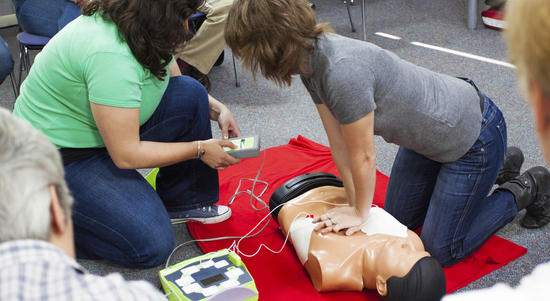
In rare instances, defibrillation may be required if a kid experiences cardiac arrest. Recognizing when and exactly how to utilize an AED (Automated External Defibrillator) can make all the difference.
AED Training Basics for Child Care Staff
Training must consist of just how to situate an AED promptly and its functional treatments particular to children versus adults.
Building Instructor Confidence Through Training
Importance of Continuous Expert Development
Regular training sessions strengthen instructors' confidence by keeping them upgraded on present finest practices related to child Wollongong First Aid classes safety and emergency situation feedback protocols.
Creating a Culture of Safety And Security Understanding Amongst Staff
Encouraging open communication regarding security problems promotes an atmosphere where all staff members feel empowered to report occurrences without anxiety or hesitation.
Recognizing Bronchial asthma Signs Early
Common Indicators That Indicate Bronchial Asthma Attacks
Asthma symptoms can show up all of a sudden; thus, acknowledging wheezing, coughing, lack of breath, or chest tightness is vital in offering timely intervention.
Emergency Activity Prepare for Bronchial Asthma Management
Every child care center ought to have individualized bronchial asthma activity plans outlining certain steps based on each youngster's requirements-- guarantee all staff members are familiarized with these plans!
Addressing Play area Mishaps: Ideal Practices
What Prevail Play area Hazards?
Playground accidents can happen because First Aid training for businesses Wollongong of improperly maintained devices or improper supervision degrees-- understanding these risks is essential!
|Type of Danger|Instances|Preventative Steps|| -----------------|-----------------------------------|--------------------------|| Equipment Issues|Broken swings or slides|Routine examinations|| Supervision Gaps|Children playing unsafely|Sufficient staff-to-child proportion|
Childproofing Strategies: Producing Safe Spaces
How can one successfully childproof locations within a childcare setting? While it could seem daunting at first look-- employing basic approaches ensures safety and security without jeopardizing playtime fun!
Identify potential hazards (sharp corners). Use soft materials (foam pads). Secure furniture versus walls. Ensure safe storage space options (secured closets).Incident Reporting Protocols: A Step-by-Step Approach
What comprises effective incident reporting treatments? Here's a short overview:
Assess the situation-- figure out intensity level. Administer essential first aid. Fill out incident records properly & & promptly-- consist of witness accounts! Communicate searchings for with parents/guardians later-- maintain transparency!Written vs Practical Elements in Training Programs
What do we imply by written vs sensible parts throughout training sessions? Each aspect offers unique purposes!
- Written components typically involve theory-based discovering covering policies/protocols relevantly-- think handbooks & & handouts! Practical components involve learners proactively through simulation exercises reproducing real-life circumstances-- role-playing makes it remarkable!
Renewal Timelines: Staying Updated
How frequently should qualifications be restored? Typically:
- First Aid Certifications commonly need renewal every 3 years. Ongoing training sessions help maintain expertise fresh/updated!
FAQs Concerning Occurrence Coverage Protocols
1) What sorts of incidents require reporting?
Any kind of injury requiring emergency treatment therapy qualifies as reportable! This includes falls/bumps that don't seem significant in the beginning glimpse however later intensify right into issues needing attention!
2) Are parents alerted concerning every incident?
Yes! Openness develops trust fund in between families/care centers-- parents are entitled to complete understanding concerning their kid's wellness!
3) Is there a typical design template for incident reports?
A lot of centers develop their very own design templates matching neighborhood policies while making certain inclusion obligatory information points discussed earlier!
4) Can volunteers help throughout emergencies?
While appealing volunteers gives valuable support-- it's important they're educated correctly in advance on following procedures outlined by accredited employees present onsite!
5) How does one manage duplicated behavior concerns leading up in the direction of accidents?
Documenting persisting patterns permits educators/managers alike identify triggers leading problematic actions motivating further discussions amongst stakeholders involved ensuring every person remains informed!
6) Are there particular guidelines controling food allergies management?
Undoubtedly! Standards exist describing best methods around recognizing threats associated with allergic reactions including labeling foods plainly interacting potential threats successfully reducing dangers overall within centers providing appropriate training pertaining to feedback procedures needed after that too!
Conclusion
In final thought, recognizing event coverage procedures is extremely important for keeping security requirements compliance within childcare setups throughout Australia! Promoting continuous understanding chances urges favorable society surrounding health/safety advertising aggressive steps as opposed to responsive ones whenever feasible-- a cumulative obligation shared amongst everybody entailed-- from educators down via management employees eventually benefiting our most precious resource ... our children!